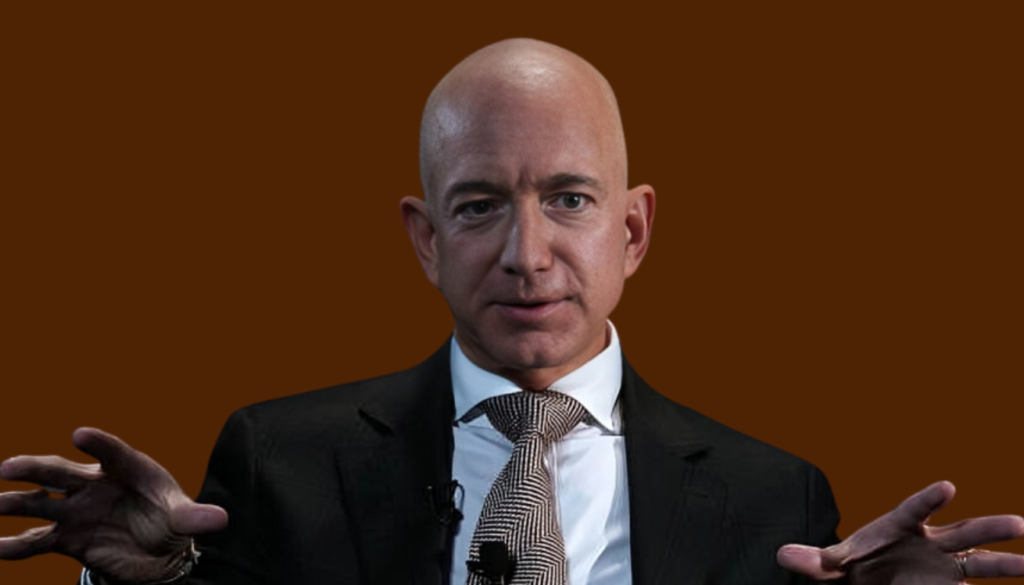
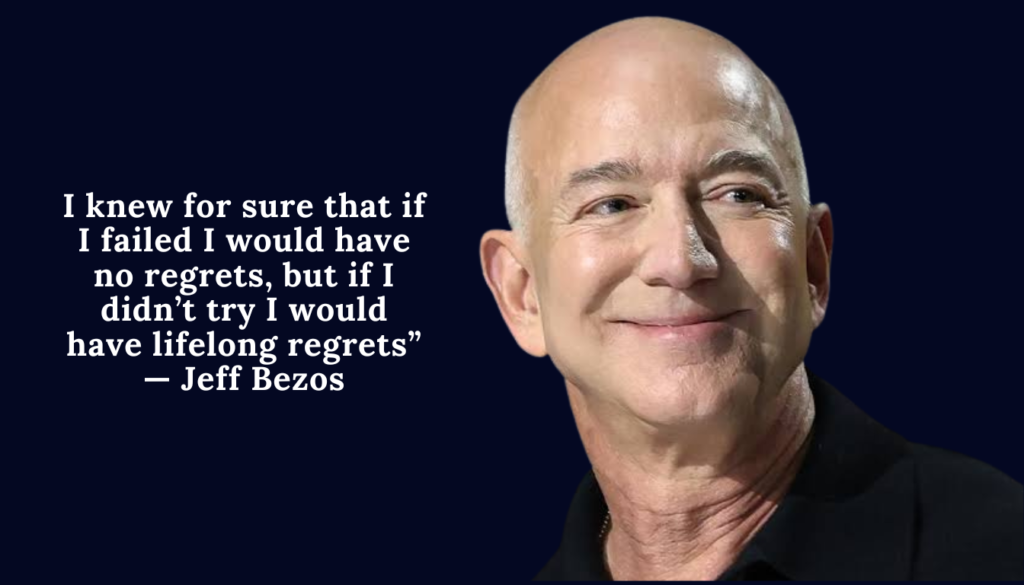
Jeff Bezos, the billionaire founder of Amazon and owner of The Washington Post, is once again facing questions about his influence on the paper — this time over missing conflict-of-interest disclosures in several editorials tied to his business ventures.
Just last year, Bezos admitted that his ownership of The Post might create “the appearance of conflict.” But over the past two weeks, at least three official Washington Post editorials have discussed issues connected to Bezos’s financial or corporate interests — without mentioning his stake. And in each case, the paper’s editorial stance conveniently aligned with Bezos’s business interests.
The most recent example came when The Post defended President Trump’s controversial plan to demolish the White House East Wing to build a massive ballroom. The editorial praised the project, calling it “a shot across the bow at NIMBYs everywhere.” What readers weren’t told, however, was that Amazon helped fund the project’s costs. Only after Columbia journalism professor Bill Grueskin pointed out the missing disclosure did the paper quietly update the piece — without notifying readers of the change.
Grueskin slammed the editorial, calling it a “collapse of the new Washington Post Opinion page,” and noted that there was no visible correction or clarification.
The paper’s new opinion editor, Adam O’Neal, and The Post itself did not respond to multiple requests for comment.
Bezos appointed O’Neal earlier this year after reportedly overhauling the opinion section. He directed staff to focus on two key themes — personal liberty and free markets — leading to mass resignations from editors and columnists. The shake-up followed Bezos’s earlier decision to block an editorial endorsing Democratic nominee Kamala Harris, a move that triggered more than 300,000 subscription cancellations. Another 75,000 unsubscribed after the editorial revamp.
Adding to the scrutiny, The Wall Street Journal reported that Amazon contributed $1 million to Trump’s inauguration, and Amazon Prime paid $40 million to license a documentary about First Lady Melania Trump — with most of that money going to her directly.
Transparency over ownership conflicts has long been a journalistic standard, and The Post has a history of making such disclosures. Former deputy editorial page editor Ruth Marcus told NPR, “We never knowingly failed to disclose such conflicts. Believing in disclosure was part of our core values.”
Marcus, who resigned earlier this year, claimed in her letter that Bezos’s directive against publishing opposing viewpoints “threatens to break the trust of readers.”
But the East Wing editorial wasn’t an isolated case. On October 15, The Post published a piece praising the military’s push for “microreactors” — small nuclear reactors with potential civilian benefits. What the paper didn’t mention: Amazon recently bought a stake in X-energy, a company developing such reactors for data centers. Bezos himself also holds a private investment in a Canadian nuclear fusion startup.
Just three days later, another Post editorial urged D.C. officials to approve self-driving cars faster. The timing raised eyebrows — Amazon-owned Zoox, an autonomous car company, had announced plans to launch in D.C. less than three weeks earlier.
“It’s concerning — whether it’s negligence or something worse,” said Marcus. “When it involves the owner, disclosing potential conflicts is absolutely essential.”
Bezos once described The Washington Post as a “complexifier” in his life — but as this controversy shows, he’s proving to be just as much of a “complexifier” for the paper itself.
People also search
- jeff bezos net worth
- jeff bezos wife
- jeff bezos age
- jeff bezos ex wife
- jeff bezos lauren sanchez
- jeff bezos girlfriend
- jeff bezos wedding
- jeff bezos yacht
- jeff bezos mom

My name is Raushan Kumar Jha i am a professional blogger, content strategist, and SEO expert. I write about famous personalities, health, fitness, and finance on WorldsLegends.com. With six years of experience and a commerce background, crafts engaging, well-researched content that ranks higher and captivates audiences.