Introduction: The Unconventional Hostile IP Takeover
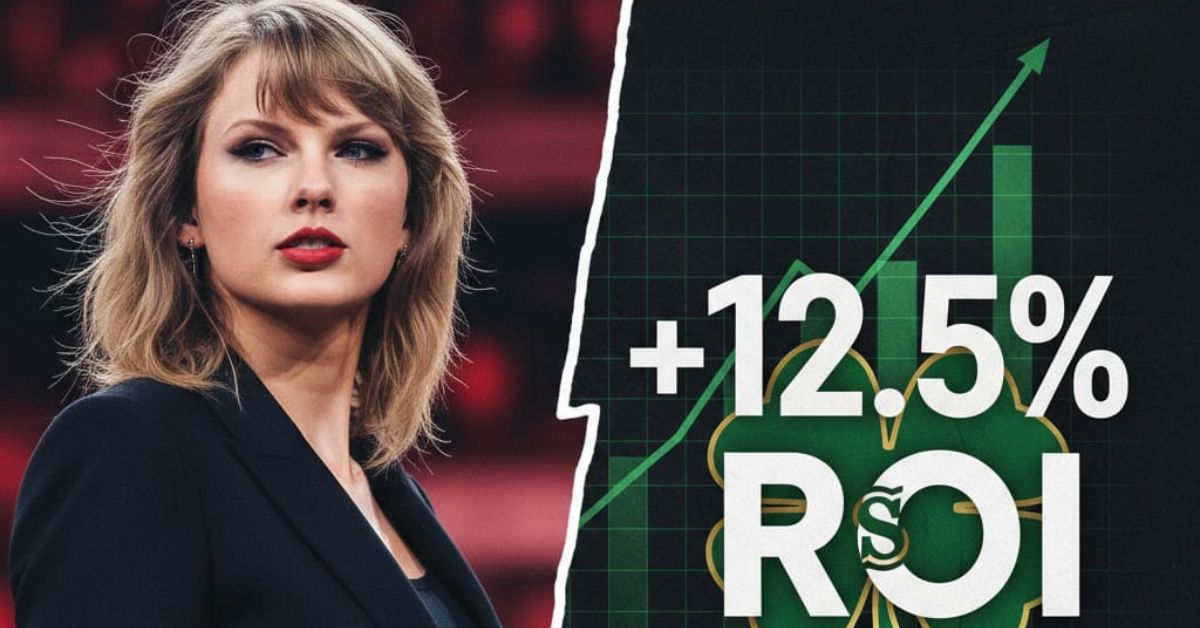
The masters dispute, spanning the $330 million Big Machine sale to the eventual buyback from Shamrock in 2025 , was not merely an artistic fight; it was a high-stakes lesson in Private Equity (PE) valuation dynamics. The paradox is clear: despite the artist’s highly successful strategy to devalue the original masters through re-recordings, the asset, held by Shamrock, still delivered exceptional returns. This analysis details how a PE firm achieved an estimated 12.5% annual return on a hostile asset.
The PE Framework and the Music Asset Class
Defining the Investment Horizon: Private Equity funds typically operate on a defined investment horizon, often around five years . Shamrock acquired the masters in 2020 for approximately $405 million and held them until the 2025 buyback.
The Original Valuation: The original catalog generated about $15 million annually. Shamrock’s price represented a high multiple (16 to 17 times historic income) , driven by projections of streaming growth and low interest rates in 2020.
The Financial War: Devaluation and Resilience
Weaponizing Copyright:
‘Taylor’s Version’ as a Financial Countermeasure: Swift’s re-recording strategy was an unprecedented attempt to exert control by creating a commercially competitive asset, thereby diverting revenue from the Shamrock-owned original masters. Fan loyalty was leveraged to execute this financial strategy.
The Doubling Paradox:
Even with aggressive competition from the re-recordings, the original masters proved remarkably resilient. The annual income from the original tracks doubled from $15 million to an estimated $30 million by 2024 , demonstrating the inherent, enduring market value of core, quality intellectual property.
Calculating Shamrock’s Final ROI:
Shamrock eventually sold the masters back to Swift in 2025 for a reported $360 million. Factoring in the acquisition price (~$405M) and the multi-year income stream, an expert analysis confirms an estimated 12.5% annual return was achieved (ignoring the likely use of debt financing which would enhance the return further). This success underscores that the transfer of IP is a permanent change that cannot be unilaterally reversed by the original owner.
Market Impact and Investor Mandates
Shifting Risk Models: The Swift case now forces investors to demand buyback clauses or artist partnership models to “mitigate risks” , as “non-cooperative artists can erode catalog value”.
IP as an Operational Cost: The incident established IP ownership not just as a financial asset, but as an operational necessity for top-tier artists to secure their long-term commercial future .


My name is Raushan Kumar Jha i am a professional blogger, content strategist, and SEO expert. I write about famous personalities, health, fitness, and finance on WorldsLegends.com. With six years of experience and a commerce background, crafts engaging, well-researched content that ranks higher and captivates audiences.